
Solar battery banks simplify backup power, but they still perform best when users follow consistent, thoughtful maintenance routines. These systems combine stored energy, solar generation, and complex internal electronics, so taking care of each part ensures long-term reliability. Maintenance does not need to be complicated—modern units streamline most tasks—but understanding what requires attention helps users avoid performance drops, unexpected shutdowns, or slow recharging. A well-maintained system also provides peace of mind during outages and seasonal changes. The Anker SOLIX F3000 paired with a 400W portable solar panel demonstrates how a robust design reduces daily upkeep while still benefiting from smart maintenance habits. By adopting a few simple practices, users keep their stored sunlight dependable and ready to support essential household needs.
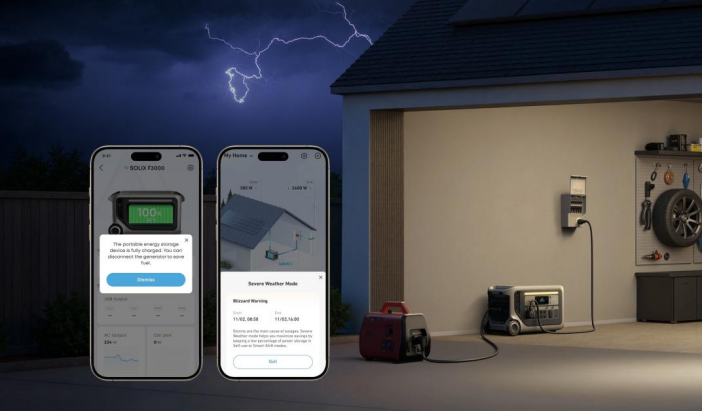
Essential Physical and Environmental Maintenance Tasks
Keeping Solar Panels Clean and Positioned Correctly Improves Charging Efficiency
Dust, pollen, salt, and debris accumulate on solar power bank surfaces, blocking sunlight and reducing power output. Even a thin layer of residue can significantly slow charging. Regular cleaning with water and a soft cloth maintains optimal panel clarity. Users should also reposition panels seasonally, ensuring the surface faces the sun more directly as angles shift throughout the year. Portable panels, like the 400W model paired with the F3000, make this adjustment easier because they fold, tilt, and move quickly. By cleaning and repositioning panels consistently, households recover energy that would otherwise be lost and maintain strong solar input in all conditions.
Ventilating and Protecting the Battery Bank Ensures Stable Operation
Solar battery banks require airflow and moderate temperatures to operate efficiently. Heat buildup reduces performance and may accelerate battery wear over time. Placing the battery bank in a shaded, ventilated area keeps temperatures stable. Users should avoid locations exposed directly to sunlight or trapped heat, such as tightly enclosed cabinets. The F3000’s wide discharge and charge temperature range helps maintain reliability in challenging climates, but environmental awareness still improves long-term performance. Periodically checking airflow, dust buildup near vents, and the surrounding space prevents overheating and keeps internal components functioning correctly.
Inspecting Cables and Connectors Prevents Unnecessary Efficiency Loss
Solar systems rely on multiple connection points—panel cables, input ports, and load connections—and each point affects performance. Damaged connectors, worn cables, or loosely seated plugs create resistance and voltage loss. Users should inspect cables for cracking, bending, or moisture exposure, especially after outdoor use. Tightening connectors and replacing worn components improves charging speed and output stability. Since the F3000 supports dual-voltage solar input and high-speed pass-through charging, cable integrity becomes even more important. Consistent inspection ensures the system delivers power efficiently and avoids intermittent charging issues that complicate energy planning.
Operational Maintenance Habits That Extend Battery Lifespan
Charging and Discharging Within Reasonable Ranges Preserves Battery Health
Battery lifespan improves when users maintain moderate charge cycles. Fully draining a battery repeatedly can reduce efficiency over time, while keeping it consistently full may also impact longevity. A balanced routine—using stored power regularly while avoiding deep depletion—keeps the system healthy. The F3000’s flexible capacity makes this easy by supporting various loads without requiring aggressive discharging. Users who integrate stored sunlight into their daily routines naturally maintain steady cycles, reinforcing long-term reliability. Avoiding extreme usage patterns is one of the most meaningful maintenance choices users can make.
Managing Standby Behavior Helps Conserve Energy and Reduce Unnecessary Losses
Solar battery banks slowly consume power while idle, but advanced systems help minimize this. The F3000’s ultra-low idle draw allows it to stay on standby for up to five days without major losses. Still, users benefit from managing standby behavior consciously. Turning off unused output ports, disconnecting non-essential devices, and reviewing settings prevent unnecessary drain. During long periods of non-use—such as vacations or seasonal downtime—users can shut down the battery entirely or store it at a moderate charge level. These habits keep energy reserves intact and ensure the system remains ready for sudden outages.
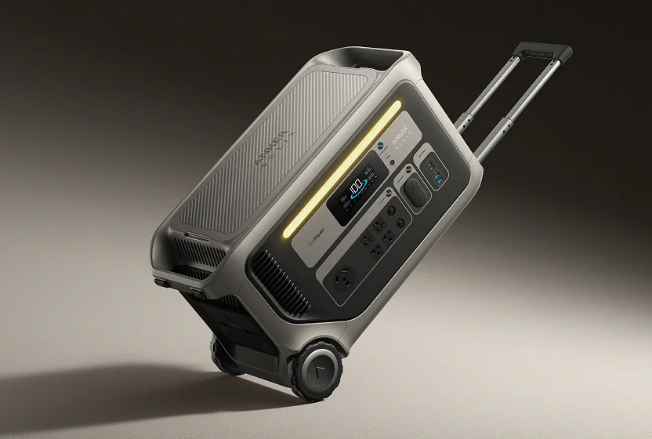
Monitoring System Data Helps Identify Issues Early
Modern solar battery banks provide real-time insights into charging rates, discharging patterns, and system status. Regularly checking this data highlights inefficiencies before they cause performance problems. For example, a drop in solar input may signal panel shading or debris buildup. Slow discharge may indicate an appliance drawing more power than expected. The F3000’s smart optimization features make monitoring intuitive, helping users identify trends and adjust their setup. Habitual data checks act as preventive maintenance, catching issues early and improving overall reliability. Users who actively review system information enjoy more consistent performance and greater confidence in their stored energy supply.
Conclusion
Solar battery banks require thoughtful but manageable maintenance to stay reliable across seasons and years of use. Cleaning and positioning solar panels boosts charging speed, while keeping the battery bank ventilated and checking cable integrity preserves stable operation. Users also extend system lifespan by maintaining balanced charge cycles, managing standby behavior, and reviewing system performance regularly. The Anker SOLIX F3000 paired with a 400W portable solar panel simplifies many of these tasks through fast dual-voltage charging, low idle consumption, strong pass-through capabilities, and intelligent energy features. When households adopt simple upkeep habits, they keep their stored sunlight ready for emergencies and daily savings alike—reinforcing the long-term dependability of a modern solar power bank.