
A solar-powered generator produces clean, silent electricity, but like any system, it requires adequate maintenance to endure. Routine maintenance extends the life of your investment and assures consistent performance when you need it the most. From battery cycle management to solar panel maintenance, knowing what to examine and how frequently may help you avoid expensive repairs and premature failure. This blog describes the most important maintenance activities, how to care for each component, and which behaviors help your generator remain efficient over time. Whether you use your solar generator on a daily basis or only in emergencies, regular maintenance keeps it working smoothly and extends its useful life.
What Maintenance Does a Solar Powered Generator Require?
Battery Care, Charging Habits, and Cycle Management
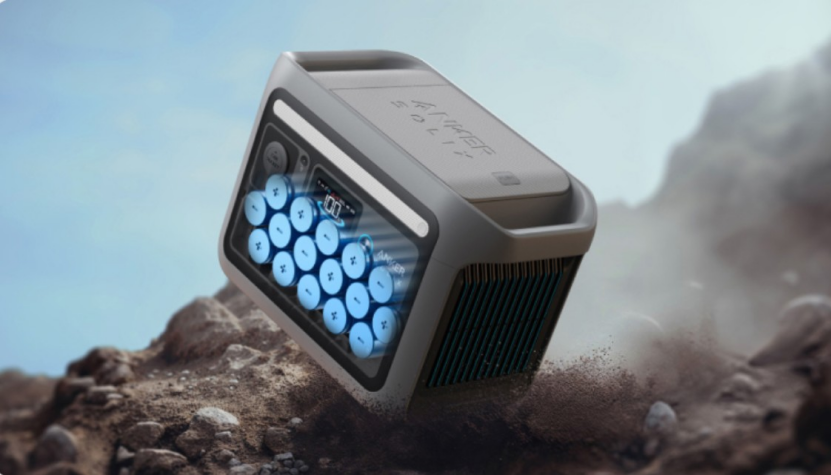
The battery is the core of your solar power generator, and correct maintenance affects how long it lasts. Avoid completely emptying or overcharging the battery whenever feasible. Keep the charge between 20% and 80% for daily usage, unless the manufacturer recommends full cycling. Recharge the battery on a regular basis, even when it is in storage. To extend the life of lithium-ion and LiFePO₄ batteries, minimize discharge cycles while not in use. To avoid overheating or performance concerns caused by cold temperatures, keep the device in a cool, dry area. Monitoring battery levels and charging habits on a regular basis helps to avoid capacity loss and prolong the system's longevity.
Solar Panel Cleaning, Inspection, and Storage
Solar panels require frequent cleaning to maintain top performance. Dust, bird droppings, pollen, and debris can obstruct sunlight and diminish power production. Use a soft cloth, water, and mild soap to clean the surface monthly or more regularly in dusty surroundings. Every time you clean, check for frayed wires, rust, or fractures. Make sure connections stay secure and rust-free. To avoid damage, keep panels dry and in cushioned or protective cases when storing them for an extended period of time. Avoid laying panels face down on hard surfaces. Additionally, inspect portable versions' folding mechanics or hinges. Clean, well-maintained panels ensure your solar power generator recharges efficiently and safely every time it's deployed.
Inverter, Ports, and Cable Maintenance
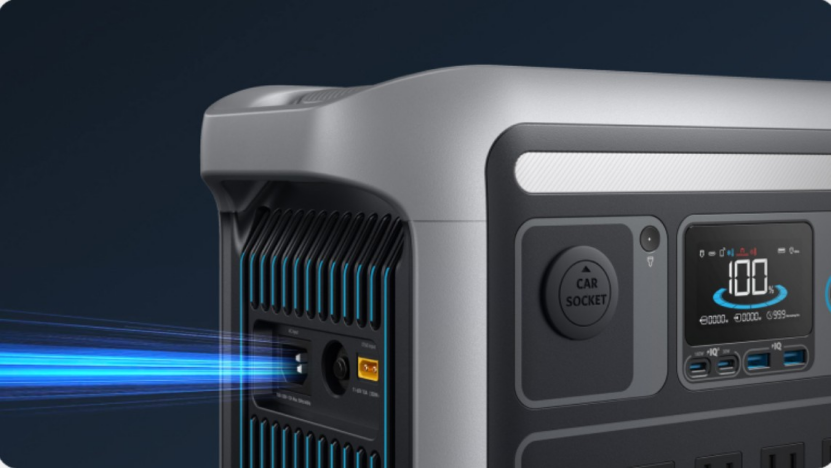
The inverter and output ports must be in good working order to provide safe and dependable power transmission. Check the inverter on a regular basis for indicators of overheating, unusual sounds, or uneven output. Keep the fan intake clean and dust-free to prevent overheating. Wipe down the ports with a dry towel and inspect for rust or bent connections. To avoid tangling and fraying, avoid rough handling of wires and keep them neatly coiled. When working outside, use weatherproof coverings or port seals. If your generator has a display or app, look for error signals that might indicate inverter or output problems. Regular examination and careful handling reduce connection issues and increase component life.
How Can You Extend the Life of Your Solar Generator?
Best Practices for Daily and Emergency Use
Use your solar-powered generator efficiently by only operating required loads on a daily or emergency basis. To avoid overheating, avoid exceeding output limitations for extended periods of time. Also, stagger high-wattage appliances. Allow the battery to cool between charging and discharging cycles if it is being used heavily. Place it on a firm, shaded surface away from heat and moisture. To ensure emergency preparation, test your generator once a month by powering gadgets for a few hours. To keep it in good working order, charge it after each usage. Controlled usage, adequate cooling, and continuous testing extend the life of your system while maintaining its reliability in real-world circumstances.
Smart Charging, Firmware Updates, and Monitoring
Modern solar generators frequently contain smart features such as Bluetooth applications, displays, and software upgrades. Use these tools to track power use, battery cycles, and charging efficiency. Charging the battery at cooler times of the day helps to decrease heat buildup, particularly when utilizing solar power. Mismatched voltages can harm internal components, so avoid using incompatible solar panels or chargers. Check for firmware upgrades on the manufacturer's app or website to enhance system stability and efficiency. Enable alarms or low-battery warnings to avoid overdischarge. Monitoring charge/discharge rates and temperature patterns on a regular basis might help you identify problems early. Smart tools and intelligent charging techniques improve long-term performance and battery health.
Knowing When to Repair, Replace, or Upgrade
Even with proper maintenance, performance decreases will occur over time. Look for indicators of decreasing runtime, slower charging, or variable output, which might suggest battery deterioration or inverter concerns. If your generator is unable to fulfill your power requirements or charge completely, try changing the battery (if user-replaceable) or updating the entire device. For minor concerns such as worn ports or broken cables, contact the manufacturer or a trained technician for service. Don't put off maintenance; minor faults might escalate to complete system failure if ignored. Compare repair prices to replacement values, especially if your device is out of warranty. Knowing when to upgrade ensures that your power system is safe, efficient, and meets your current energy demands.
Conclusion
Proper maintenance keeps your solar-powered generator running effectively for years. Regular maintenance, from battery care and smart charging to panel cleaning and port inspection, helps to minimize damage and enhance reliability. Following excellent practices for everyday and emergency use increases the longevity of both the battery and the inverter. Smart monitoring tools, firmware upgrades, and prompt repairs enable you to avoid malfunctions and be prepared. Whether you use your generator for off-grid living, backup power, or vacation, considering it as a long-term investment is worthwhile. With regular maintenance and knowledgeable use, your solar generator will provide dependable, clean electricity when you need it most.