
Portable power stations have become reliable companions for home backup, outdoor trips, and mobile work setups. While modern units are designed to be user-friendly, using them correctly can significantly improve performance, safety, and lifespan. Many users overlook small details that affect efficiency, from load management to charging habits. By understanding how to operate your portable power station properly, you can get more usable energy, protect connected devices, and ensure your system is always ready when you need it.

Best Practices for Using a Portable Power Station Safely and Efficiently
Using a portable power station isn’t complicated, but following these practical tips will help you maximize its value and reliability.
Understand Your Power Needs Before Connecting Devices
Before plugging in appliances, check their wattage requirements and startup demands. Running too many devices at once can overload the system and shorten the runtime. Portable power stations display output information so you can monitor usage and avoid exceeding limits. Knowing how voltage and amps units relate to your devices also helps ensure compatibility and stable performance.
Prioritize Essential Devices During Outages
When using a power station for backup power, focus on essentials like refrigerators, lights, Wi-Fi routers, and medical equipment. Avoid powering unnecessary devices that drain the battery quickly. This approach is especially important during extended outages, as it helps conserve energy and extend runtime without sacrificing comfort or safety.
Charge the Power Station Correctly and Regularly
Proper charging habits play a major role in battery health. Use recommended charging methods, whether AC wall charging, vehicle charging, or solar input. Many models, including Anker SOLIX portable power stations, support fast AC charging and high solar input for flexibility. If the unit is stored for emergencies, recharge it periodically to maintain battery health and readiness.
Make the Most of Solar Charging
If your power station supports solar panels, take advantage of daylight hours. Position panels in direct sunlight and adjust angles as the sun moves to maximize efficiency. Solar charging reduces reliance on grid power and extends runtime during multi-day use. Clean panels regularly to prevent dust or debris from reducing charging efficiency.
Operate Within Recommended Temperature Ranges
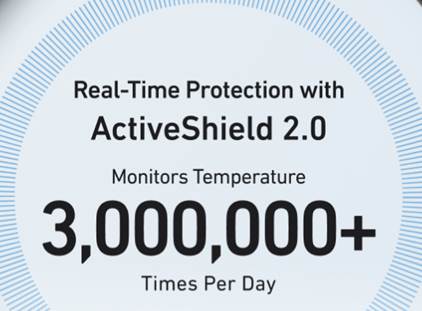
Extreme temperatures can affect battery performance and lifespan. Avoid using or storing your portable power station in very hot or freezing conditions. Choose a cool, dry, and well-ventilated area for operation and storage. Proper temperature management helps preserve long-term battery capacity.
Use the Right Ports for the Right Devices
Portable power stations offer multiple output ports, including AC outlets, USB-A, USB-C, and DC ports. Match devices to the appropriate port for optimal efficiency. For example, using USB-C for compatible devices often delivers faster charging than AC adapters. Monitoring current flow in amps units through built-in displays or apps helps you balance loads more effectively.
Avoid Deep Discharges Whenever Possible
While modern batteries are designed to handle deep discharges, consistently draining the battery to zero can reduce its lifespan over time. Try to recharge the unit before it reaches critically low levels. Maintaining moderate charge cycles improves long-term durability.
Take Advantage of Smart Monitoring Features
Many portable power stations include app-based monitoring via Wi-Fi or Bluetooth. These tools allow you to track battery levels, input/output power, and usage history in real time. Smart monitoring makes it easier to adjust usage, prevent overloads, and identify inefficiencies early.
Inspect Cables and Connections Regularly
Check power cords, adapters, and ports for signs of wear or damage. Loose or damaged connections can lead to inefficient charging or safety risks. Store cables neatly to avoid bending or stress on connectors.
Conclusion
Using your portable power station properly is the key to reliable performance, safety, and long-term value. By managing loads carefully, charging efficiently, and monitoring power flow, you can get the most out of your system. Thoughtful habits like prioritizing essentials, using solar charging wisely, and avoiding extreme conditions help extend battery life. With well-designed options such as Anker SOLIX portable power stations, following these best practices ensures dependable power for emergencies, travel, and everyday use.